Why asphalt for a driveway
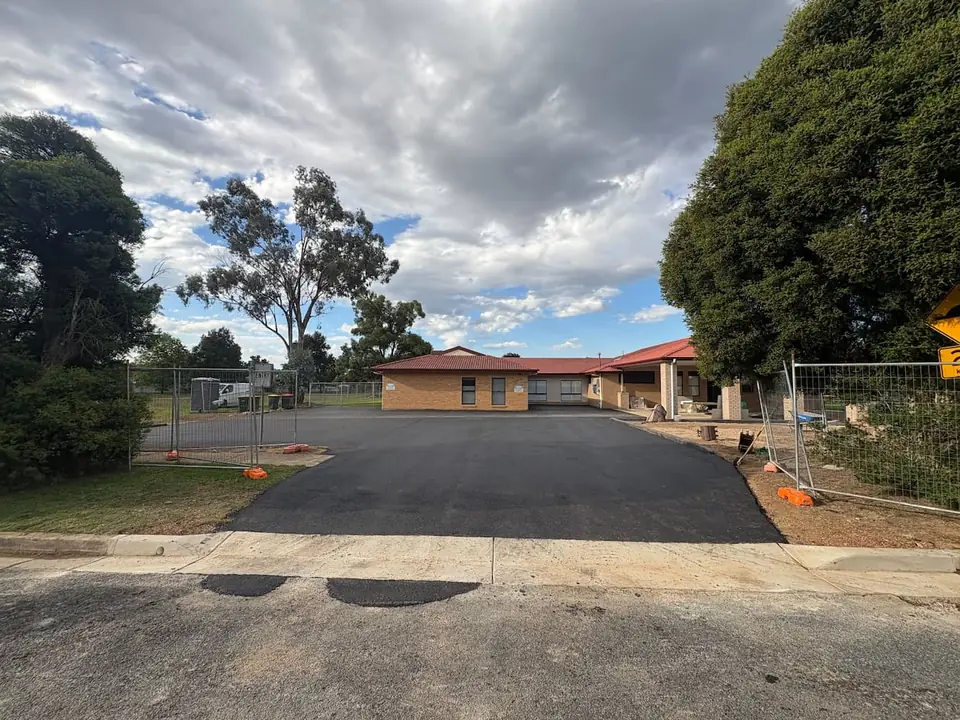
Hot-mix asphalt is mixed at a plant, laid hot and rolled into a dense, continuous surface. It gives a smooth, dark finish that is comfortable to drive, walk and wheel bins across, and it handles the tight turning of cars in and out of a garage.
It can be laid over a large area in one visit once the base is ready, and the surface can usually take traffic soon after it has cooled. We confirm when you can drive on it for your particular job.
What we look at before quoting
- The existing surface. Gravel, broken concrete, old bitumen or bare ground each need a different amount of removal and preparation.
- Base and subgrade. Soft or reactive ground needs excavating and replacing with compacted road base. This is the part of the job you cannot see afterwards, and the part that decides how it performs.
- Falls and drainage. Water should run off the driveway to the street, a pit or a garden edge, never towards the house or garage.
- Slope. Steep driveways need attention to compaction, edges and how water travels down the surface.
- Edges and joins. Where the asphalt meets the footpath, kerb crossover, garage slab and garden beds.
- Vehicles. Caravans, boats, trailers, trucks or a delivery van change the pavement the driveway needs.
How a new driveway is built
- Set out levels and falls, and agree the finished shape.
- Excavate and remove unsuitable material where needed.
- Place, grade and compact road base to the planned levels.
- Lay hot-mix asphalt and roll it while it is at working temperature.
- Finish the edges and joins, clean up and explain aftercare.
The exact scope depends on your site. Your quote lists each stage, so you can compare quotes like for like.
Council crossovers
The section between your boundary and the road, the crossover, is usually controlled by the local council. Requirements vary between Brisbane, Logan, Ipswich, Redland and the Gold Coast. Check with your council before work in that area, and tell us if your job includes it.
Questions we get about asphalt driveways
Can you lay asphalt over my old concrete or bitumen driveway?
Sometimes. If the existing pavement is sound and the finished levels work with your garage and footpath, an overlay can be an option. Cracked, moving or badly drained surfaces usually need removing first, otherwise the same problems come through the new layer.
How long does a new driveway take?
It depends on the area, how much excavation and base work is involved, the weather and access. Base work often takes longer than the asphalt itself. We give you an expected sequence with the quote.
Do I need to be home?
Not for the whole job, but we need vehicles out of the garage and driveway beforehand, and access kept clear until we tell you the surface is ready.
Asphalt or spray seal for my driveway?
Asphalt is smoother and suits suburban driveways and tight turning. Spray seal has a stone texture and is often chosen for long or rural driveways. Our comparison guide covers the trade-offs.